
The Significance of Ground Preparation in Achieving Durable Concrete
Proper ground preparation is key to creating strong concrete surfaces. Without a solid foundation, the durability and longevity of any concrete project can be compromised. Whether for a driveway, sidewalk, or building foundation, ensuring the ground is well-prepared can prevent future problems such as cracking, shifting, or deterioration. In this article, we’ll explore how meticulous ground preparation leads to robust concrete structures, highlighting benefits, challenges, solutions, and expert tips.
Why Solid Foundations Matter
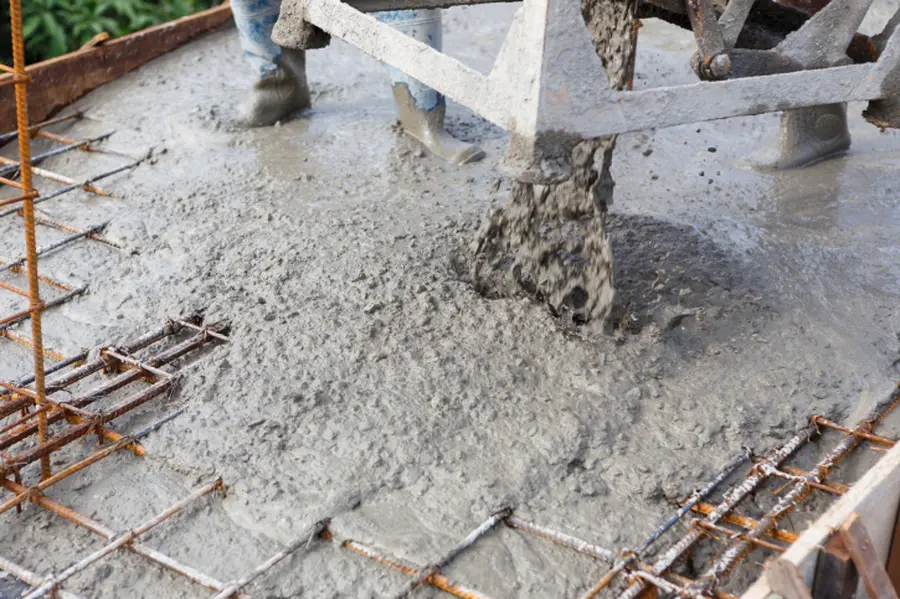
A stable foundation is vital for concrete surfaces because it supports the structure above. If the groundwork is weak, it can result in uneven settling. This eventually causes cracks or even structural failure. Properly prepared ground ensures that the load is evenly distributed, reducing stress on any one part of the concrete surface.
The Role of Soil Compaction
Soil compaction is an essential step in preparing the ground for concrete installation. By compacting the soil, air pockets are removed which reduces the risk of settling after the concrete has been laid. A well-compacted base provides a sturdy platform for pouring concrete, ensuring a smooth and level finish. Consistent compaction also helps in maintaining uniformity across large areas.
Drainage Considerations
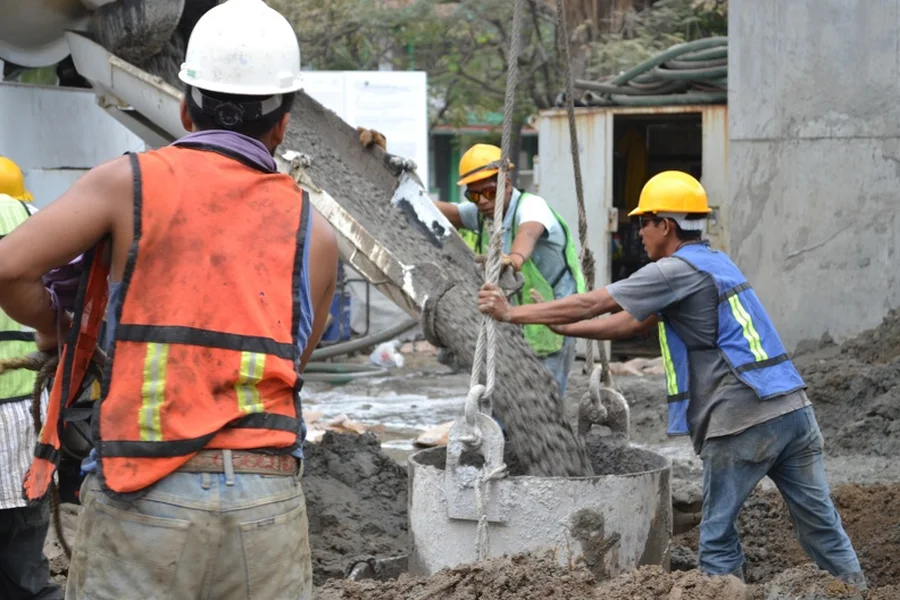
Proper drainage is crucial when preparing ground for concrete installation. Water accumulation under the concrete can lead to erosion or frost heave in colder climates. Incorporating adequate drainage measures like sloping and using gravel layers can divert water away from the concrete base, mitigating damage risks over time.
Addressing Common Challenges
Preparing ground for concrete involves overcoming several challenges. These include dealing with various soil types, managing moisture levels, and ensuring proper compaction. The presence of clay-rich soils, for instance, may require additional stabilization techniques before proceeding with concrete work. Similarly, overly moist conditions demand careful drainage planning to avoid compromising the integrity of the concrete slab.
Steps to Effective Ground Preparation
- Assess the soil type to determine appropriate preparation methods.
- Clear the area of debris and vegetation.
- Ensure proper grading to facilitate drainage.
- Compact the soil thoroughly to eliminate air pockets.
- Add a layer of gravel if necessary to enhance stability.
Expert Tips for Quality Assurance
Adhering to industry standards is essential for successful ground preparation. Experts recommend regular testing of soil composition and density throughout the construction process. Use tools like a plate compactor for consistent results. Additionally, keeping up-to-date with local regulations ensures compliance and quality assurance across all projects.
Evaluating Cost Factors
Several factors influence the cost of preparing ground for concrete work. These include labor costs, materials needed for stabilization, and equipment rental fees. Investing in high-quality materials upfront can reduce maintenance expenses later. Furthermore, properly executed preparation contributes to longer-lasting surfaces, offering better return on investment over time.
Your Pathway to Resilient Concrete Surfaces
Incorporating these best practices into your next project will ensure durable results. Remember that investing in thorough ground preparation pays dividends in terms of reduced repair costs and increased lifespan of the concrete surface. Our team at Martinez Concrete is dedicated to delivering excellence in every aspect of your construction needs. Reach out today at (254) 254-1430 to discuss how we can assist you with reliable services. Based in Temple, TX, we pride ourselves on being leaders in providing innovative solutions tailored to our clients’ unique requirements.